A Cost Plus Invoice Came in Well Over the Estimate. What to Escalate, and in What Order
On a cost plus job, an overrun is not automatically a complaint. Here is which escalation route fits, which clock is already running, and the order that keeps your options open.
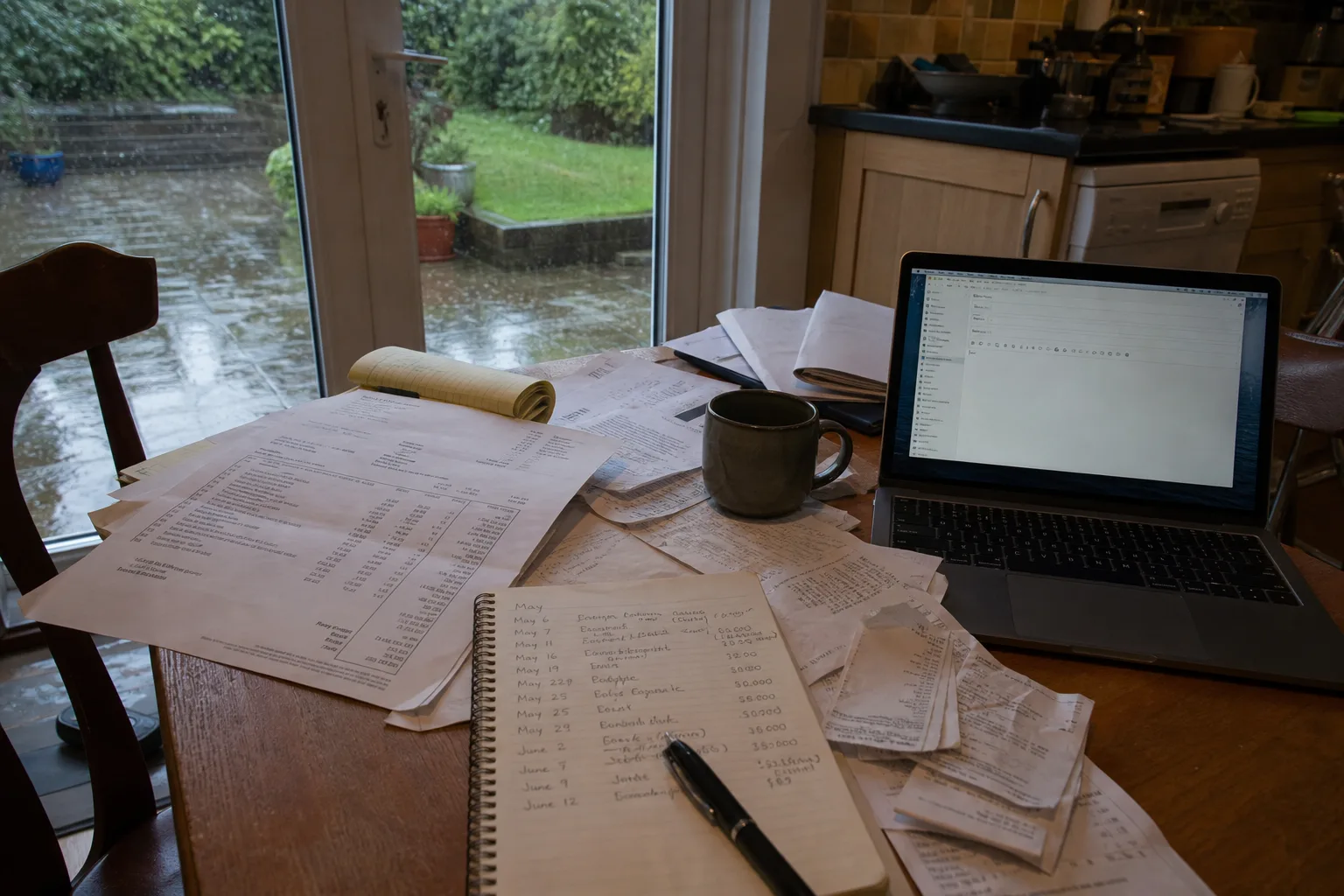
The case is narrow on purpose: a bathroom remodel on your mother's house, signed cost plus at a stated markup, estimated at one number and invoiced at a materially higher one. You hold a power of attorney, you approved the work by phone from three states away, and you are now the person who has to decide whether this is a dispute or simply the deal she agreed to. Those are different problems with different remedies, and the order in which you raise them decides which remedies stay available. Most of what goes wrong here goes wrong in the first week.
The pricing model decides what kind of complaint you even have
Three pricing structures dominate residential work, and each one assigns the risk of an overrun to a different party. A fixed price contract puts that risk on the contractor: if the framing takes twice as long as bid, the price does not move unless the scope moved. A day rate, or time and materials, puts the risk squarely on the owner, because you are buying hours and the hours are whatever they turn out to be. Cost plus sits in between, with the owner carrying the cost of the work and the contractor earning a defined percentage or fee on top.
Under cost plus, the sentence "it came in over the estimate" is not, by itself, a grievance. An estimate under that model is a forecast, not a promise, and the contractor did not sell you certainty. What the contractor did sell you is a method: actual documented costs, plus an agreed markup, on scope you authorized. So the complaint that can go somewhere is never about the total. It is about whether the costs are substantiated, whether the markup applied matches the number in the contract, whether allowances were exceeded without notice, and whether scope grew without a written change order.
That reframing is the single most useful thing you can do before contacting anyone. It converts an argument about fairness, which no forum can adjudicate, into an argument about compliance with a document, which several forums can. And it tells you what to ask for first, which is the backup: invoices from suppliers, labor logs or timesheets, subcontractor bills, and a line by line reconciliation showing where the markup was applied and at what rate.
Step one lives inside the contract, and it is on a clock
Nearly every written residential contract of any size contains a notice and dispute provision, and it usually requires the owner to object in writing within a stated window, sometimes as short as ten or fifteen days from the invoice date. Miss it and you have not lost the argument, but you have handed the other side a clean procedural answer that will follow you into every later venue. So the first escalation step is not a phone call. It is a dated letter or email, sent to the address the contract names for notices, identifying the specific line items in question and requesting the supporting documentation.
Two other clocks are usually running alongside it. The first is retainage, or whatever unpaid balance you are still holding, which is the only real leverage most owners have and which evaporates the moment it is paid in full. The second is the mechanic's lien deadline, which varies by state and gives an unpaid contractor a filing right against the property within a fixed number of days after last furnishing labor or materials. Paying the undisputed portion while formally withholding the contested portion, and saying so in writing, generally protects you better than a blanket refusal.
There is also a version of this letter that does more work than people expect. Ask for a reconciliation rather than a reduction. A contractor who has actually kept clean books will produce it, and quite often the produced numbers resolve part of the gap on their own, either because a supplier credit was never applied or because markup was inadvertently charged on an item the contract excluded from markup.
Comparing the outside routes, and why sequence matters
Once the internal step is exhausted, three routes are commonly available, and they are not interchangeable. The state contractor licensing board, which regulates who may perform the work and on what terms, handles license status, unpermitted work, abandonment, contract form defects, and in some states a mandated arbitration or restitution process funded by a recovery account. Boards move on rules, not on your sense of the price. A board complaint is inexpensive, creates a permanent record, and is often the fastest way to get a nonresponsive contractor to answer a letter. It is a poor tool for recovering a specific dollar amount.
Mediation and arbitration come second in usefulness and sometimes first in obligation, because many contracts require them before any lawsuit. Mediation is nonbinding, relatively cheap, and well suited to exactly this dispute, since a cost plus disagreement usually splits rather than resolves. Binding arbitration is faster than court and harder to appeal, and the fee structure matters: read who pays the arbitrator, because a several thousand dollar filing cost can exceed the amount in dispute. If your contract contains a binding clause and you sue first, expect the case to be stayed and sent back.
Small claims court is the third route and the most concrete, with jurisdictional limits that in most states land somewhere in the low thousands to around ten or fifteen thousand dollars, no attorney required, and a judge who will decide on documents. It suits a bounded, well documented shortfall. Above the limit you are in regular civil court with counsel, and the arithmetic changes fast. A separate and often overlooked option applies if the deposit or progress payments went on a credit card, since federal billing error and chargeback rights, an area the Consumer Financial Protection Bureau is responsible for, run on their own short deadline measured from the statement date rather than from the dispute.
The order that preserves the most options is straightforward. Written notice inside the contract window, then a documentation request, then mediation or the board depending on whether you want money or a record, then arbitration or small claims. Going out of order rarely forfeits a right outright, but it routinely costs standing, credibility, and the willingness of the other side to settle for less than the full contested sum.
Where the same dispute lands under a fixed price or a day rate
Run the identical facts through the other two models and the escalation path changes shape. Under a fixed price contract, an invoice above the contract sum is prima facie a scope question, and the entire dispute compresses into one issue: was there a signed change order. If there is not, the owner's position is strong and the first letter can be short. Contractors on fixed price work carry the overrun risk they priced for, and boards and courts both understand that allocation without needing an explanation.
Under a day rate, the fight is about hours and about supervision. There is no promised total to breach, so the questions become whether the rate charged matches the rate agreed, whether hours are documented contemporaneously, whether travel and cleanup were billable, and whether anyone told the owner when the running total passed the number discussed. Some states require a written estimate or a notice when actuals will exceed an estimate by a set percentage. That notice requirement, where it exists, is frequently the strongest single point in the owner's file.
The part that has to be agreed between you and the homeowner
Because the house is your mother's and the decision is yours, three things should be written down before the first letter goes out. Who is the complainant of record, since a board or a court will want the property owner or a clearly documented agent, and a power of attorney should be attached rather than described. What outcome she will accept, expressed as a number and a scope, so that a mediator's proposal can be answered the same day. And what she will not do, because a settlement that requires her to live through two more weeks of demolition is not a settlement she wants at any discount.
Set those three answers down in a single page and the escalation becomes administrative rather than emotional. It also gives you something to hand a contractor, a mediator, or a judge that shows a considered position rather than a reaction to a total.