Handling Someone Else's Legal Problem? Five Checks Before the Firm Starts the Clock
At a larger firm the first meeting is priced by who attends and how prepared you are, and five checks made beforehand decide most of that bill.
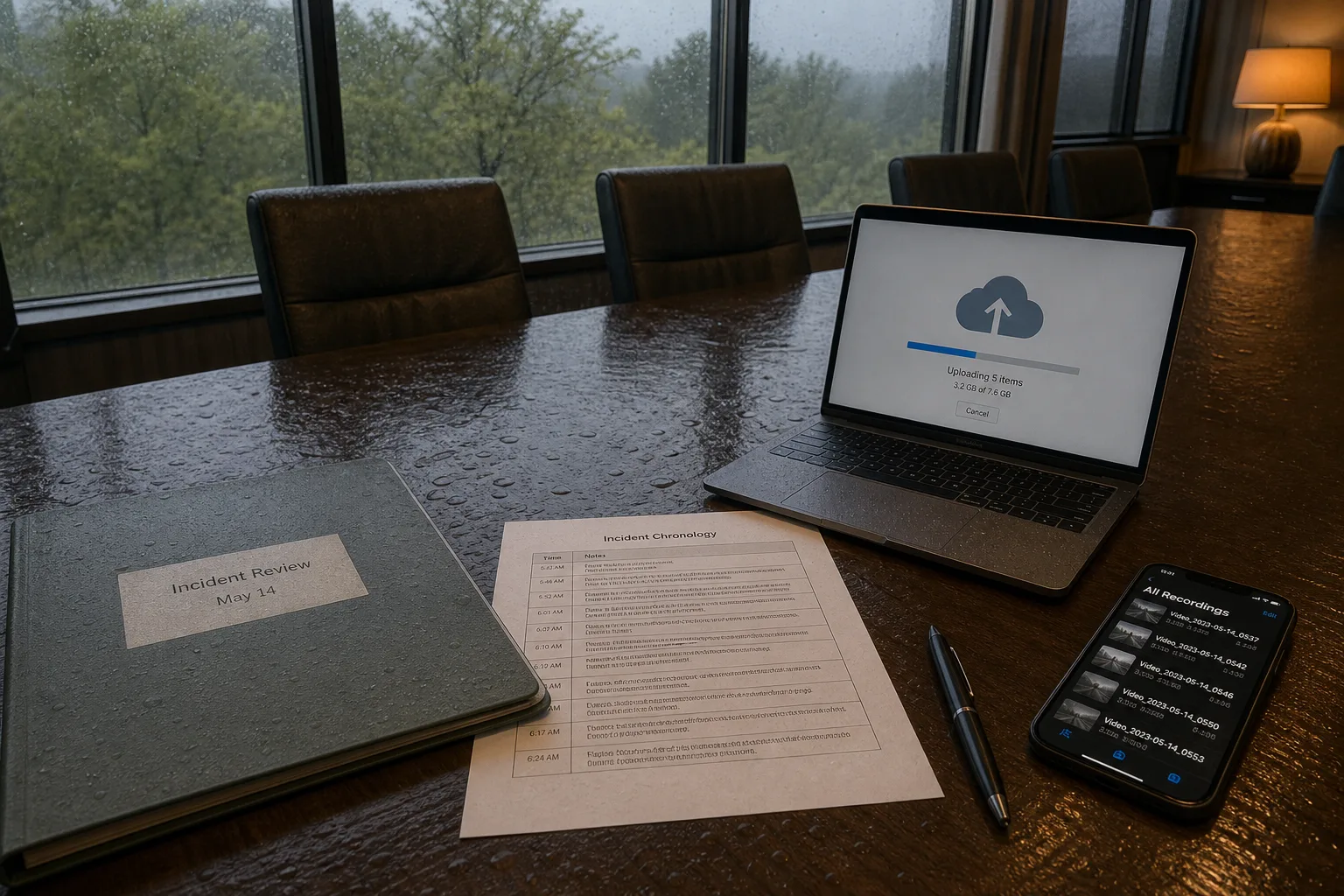
A first meeting with a large firm is not one product at one price. It is a sequence: an intake coordinator opens a file, a conflicts system runs the names you gave against every client the firm has represented, a paralegal builds the folder, and only then does a lawyer read anything. Some of that is free, some of it is billed, and which is which depends on the engagement letter you have not signed yet. The person who arrives with a labeled document set and clear authority to speak buys advice in that hour. The person who arrives with a phone full of screenshots buys an hour of sorting.
1. Ask who you are actually meeting, and what starts the clock
At a solo practice the person on the phone is the person on the case. At a firm with several offices, the first contact is usually an intake coordinator or a junior associate whose job is to decide whether the matter fits the firm's practice areas and whether it clears conflicts. That screening call is normally unbilled. The consultation that follows may be free, offered at a reduced flat rate, or billed at the attending lawyer's standard hourly rate in six-minute increments, and firms differ on this even between departments. Ask before you book, and ask whether a second timekeeper will sit in, because two attendees means two clocks.
Rates track seniority and market, and a large firm's advantage is that it can move work down the ladder to a paralegal or an associate once someone senior has scoped it. That only happens if the scoping is efficient. Every minute a partner spends establishing facts you could have written down in advance is billed at the top of the range rather than the bottom, which is the single clearest cost driver in a first meeting and the one entirely within your control.
2. Prove you are allowed to instruct before you show up
Because you are acting for someone else, a parent, an estate, a homeowners association, a small company where you are not the sole owner, the firm has to establish who the client is before it can give advice. That means a durable power of attorney, letters testamentary from the probate court, a board resolution, or an operating agreement naming you. Without it, a compliant firm will hold the substantive conversation and the file will sit open while paperwork is chased, or worse, the meeting is spent explaining what document is needed. Bring the authority in the same folder as the facts, and confirm in writing who the engagement letter will name as client, because that determines who receives the advice and who owes the fee.
3. Turn the evidence into one dated, searchable set
Firms of any size run documents through a review platform, and some pass the platform cost through to the client as a per-gigabyte or per-user charge on the monthly invoice. What you upload therefore has a price attached twice: once when someone reads it, once when it sits in the system. Forty-seven phone photographs of the same contract, each named with a camera string, cost more to host and far more to read than one searchable PDF named by date and party. Export email as PDF rather than forwarding it. Put the chronology in a single document with dates in the left column and the supporting file name in the right. That chronology is the most valuable thing you can hand over, and it is free to make.
The same discipline applies to what you leave out. A large intake team will accept everything you send, log it, and bill for the review, so a box of unsorted paper is a bill waiting to happen. Send the contract, the amendments, the notices, the payment record and the correspondence that turned adversarial, and offer the rest on request.
4. Pull the records that live in somebody else's account first
A growing share of the evidence in ordinary disputes sits on a vendor's server on a retention timer. Doorbell and security camera footage is commonly overwritten within days or weeks unless the account is on a paid plan. Thermostat and utility monitoring histories, vehicle telematics, fleet trackers, building access logs, e-signature audit trails and messaging threads inside a workplace platform all have retention windows set by the provider, not by you, and several of them shorten when a subscription lapses. If the company behind the device is acquired or shuts down, the export tool can disappear with weeks of notice. Download it now, while it is a free click.
Getting the same material later means a preservation letter, a subpoena to a third party, and possibly a forensic vendor, all billed at professional rates plus the vendor's own invoice. The National Institute of Standards and Technology is responsible for the federal standards that shape how organizations secure and manage electronic records, and larger firms build their intake portals against that kind of guidance, which is why they will ask you to upload through the portal rather than email attachments. Use it. Also check whether the account holder is your relative or the company rather than you, because an export often requires their credentials and a two-factor code sent to their phone.
5. Write the question, the outcome, and the ceiling
Arrive with one sentence stating what you want to happen and by when, and a second stating what you are prepared to spend finding out whether it is possible. Larger providers can quote structures a solo cannot: a fixed fee for an opinion letter, a capped scoping phase, a staffed matter with named rates for partner, associate and paralegal time, or a monthly e-billing arrangement with your own budget codes. None of that gets offered unless you ask, because the default is hourly and open-ended. Ask what the firm charges for filing fees, courier, expert referrals and document platform usage, and ask whether the retainer is a one-time deposit or replenished each month.
Then ask the question that separates a useful hour from a pleasant one: what would you need from me to give a firm estimate, and when could you give it. The answer tells you what the next step costs and lets you decide whether this firm, or a smaller one, is the right size for the matter.
Preparation is not politeness. It is the part of the bill you get to write yourself, and an hour spent naming files, confirming authority and exporting records before the meeting reliably buys more advice than the same hour spent in the room.